
Hot tubs
Our hot tub guides compare tubs using what each brand publishes: seating, jets, power needs, insulation, water care, warranty and delivery terms. We don't claim to have soaked in tubs we haven't tried, and the prices we quote link back to the seller's own page.
What we compare
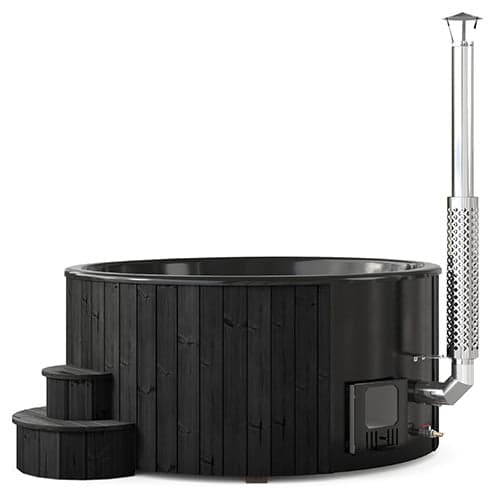
- Type. Acrylic tubs with a rigid shell, rotomolded plug-and-play tubs, inflatable tubs and wood-fired cedar tubs differ in price, lifespan and how much setup they need.
- Power. Plug-and-play tubs run off a standard 120-volt outlet but heat more slowly. Most full-size tubs need a dedicated 240-volt circuit put in by an electrician, which adds to the cost.
- Seats, jets and size. Seating count, lounger or no lounger, the number of jets and the tub's footprint and filled weight, which decides what it can sit on.
- Insulation and running costs. How the cabinet and cover are insulated, which drives the monthly electric bill in cold weather.
- Water care. Filtration, ozone, UV or saltwater systems, and how much chemical upkeep each one still needs.
- Warranty, delivery and returns. Shell, plumbing and equipment are often covered for different lengths of time, and freight delivery terms vary.
The US Consumer Product Safety Commission says hot tub water should never be hotter than 104°F. If you're pregnant, have a heart condition or take medication, ask your doctor before using one, and keep the cover locked when the tub isn't in use.
New guides are added here as they're researched. Each one lists the downsides as well as the strengths.
Hot tub guides

© 2026 Hot Then Cold. All rights reserved.